What a Place — Brand Identity
A luxury furniture brand defined by bold simplicity — balancing refined minimalism with playful personality.
Role
Brand Designer
Timeline
4 Weeks
Deliverables
Logo, Brand System, Application
Tools
Illustrator, Photoshop
The Brand Challenge
High-end furniture brands often rely on minimal aesthetics, but many lack a distinct identity that feels both refined and expressive. The challenge was to create a brand that feels premium without becoming cold or generic.
During sketching and early ideation, I identified a key constraint: “What a Place” is a three-word, conversational name. Without careful typographic treatment, it risked undermining the sense of quality expected from a high-end furniture brand.
Key Outcomes
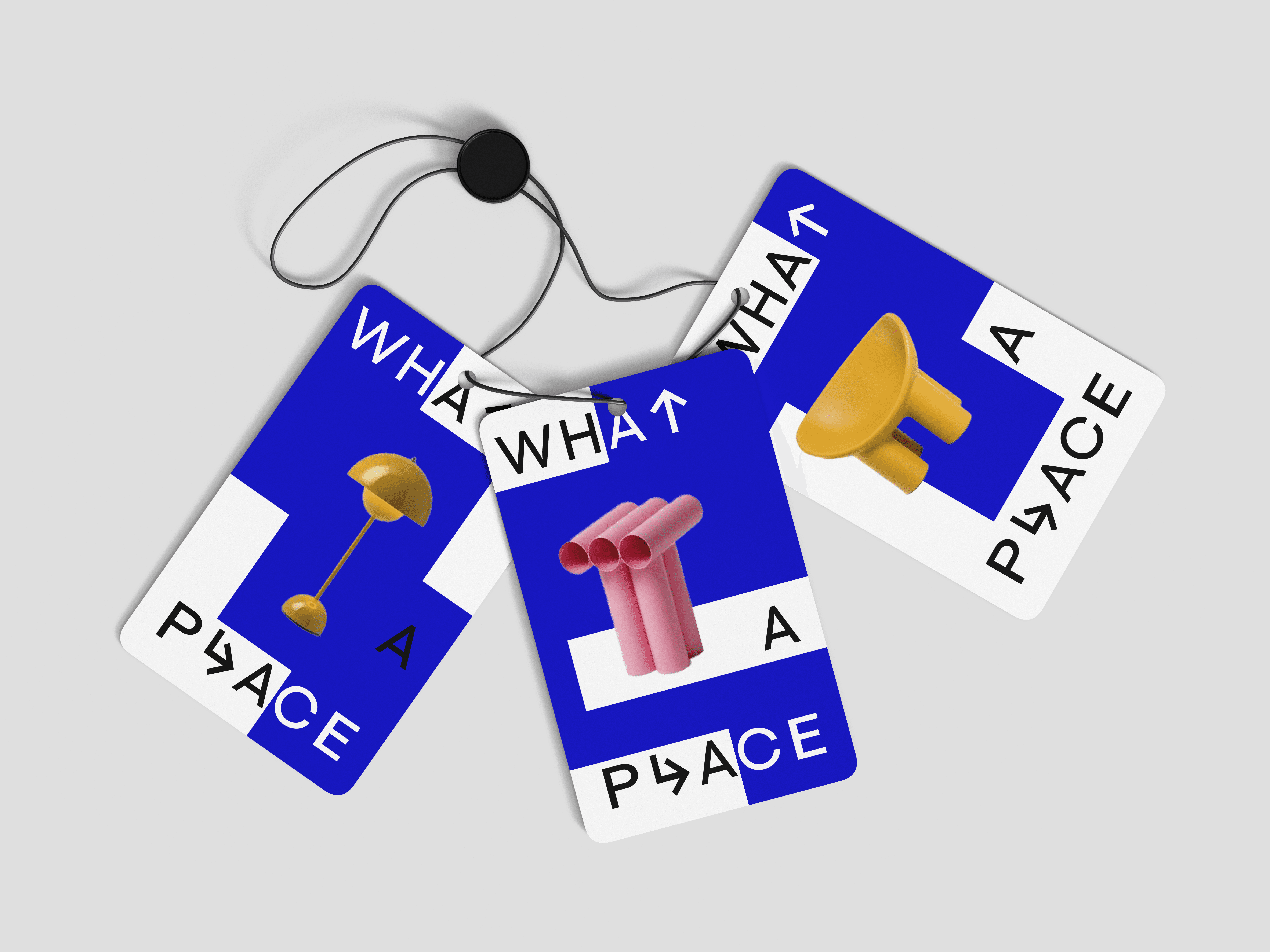
The final identity successfully balances refinement and expression, positioning What a Place as a high-end furniture brand with a clear and memorable personality.
The long, conversational brand name becomes a strength rather than a limitation
The identity feels premium, calm, and intentional without appearing cold
The system is flexible and adaptable across future brand touchpoints
Subtle expressive details differentiate the brand from competitors
Process
Research & Insights
Design-conscious homeowners
Brand Space:
Contemporary, high-end furniture
Method:
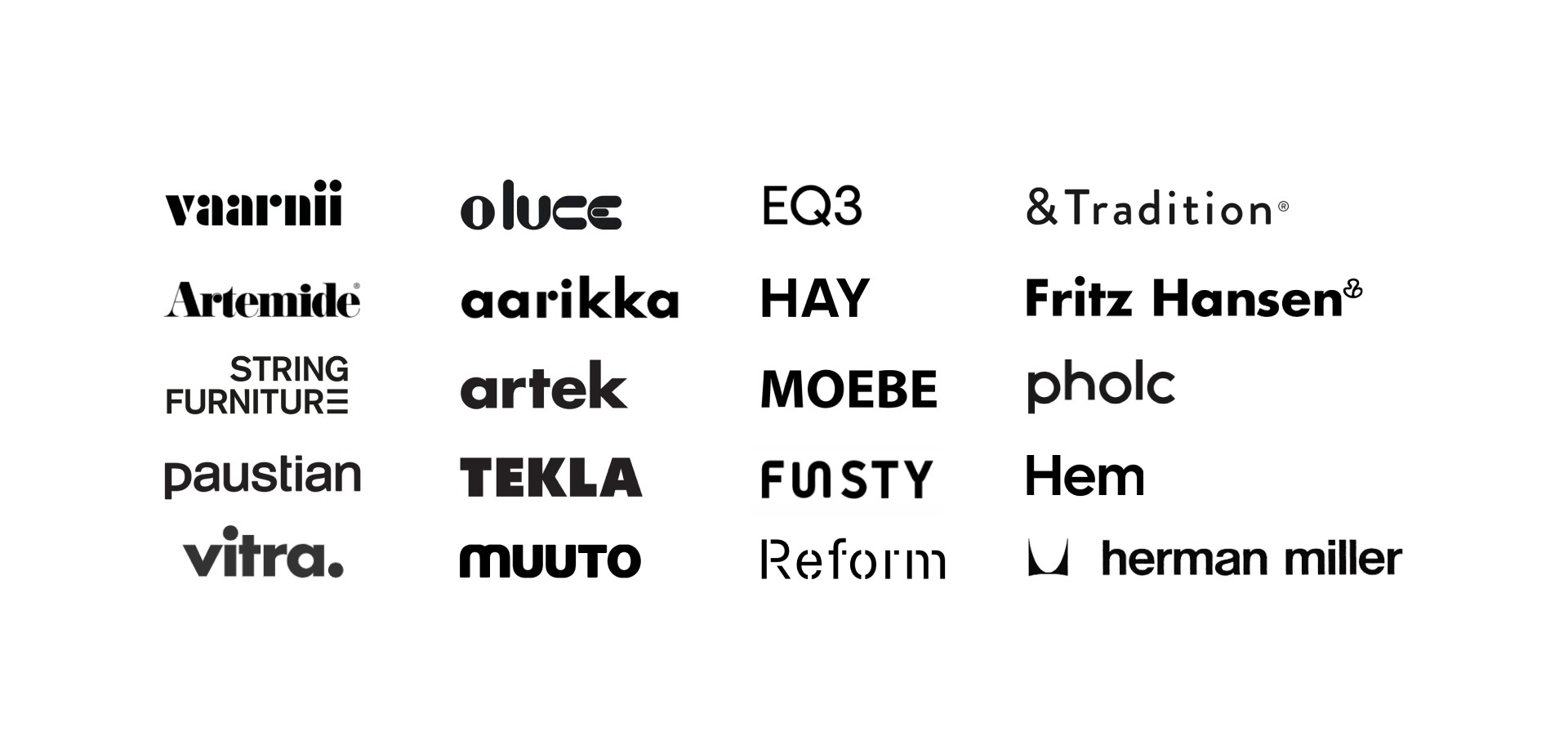
Competitive Landscape Research. Brand includes EQ3, HAY, Vitra, artek
Insights:
Key Decision
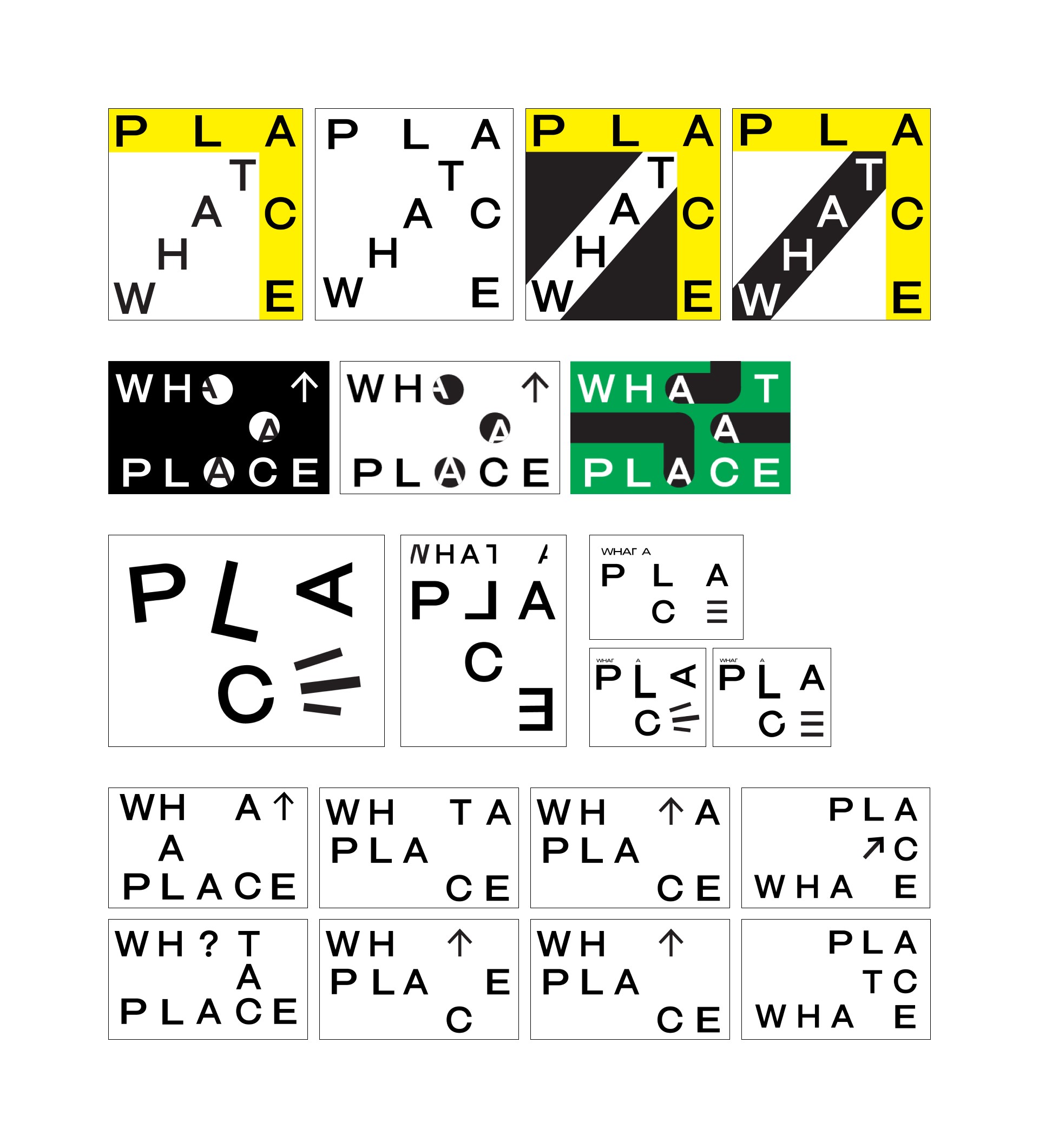
Playaround with Empty Space
Decision |
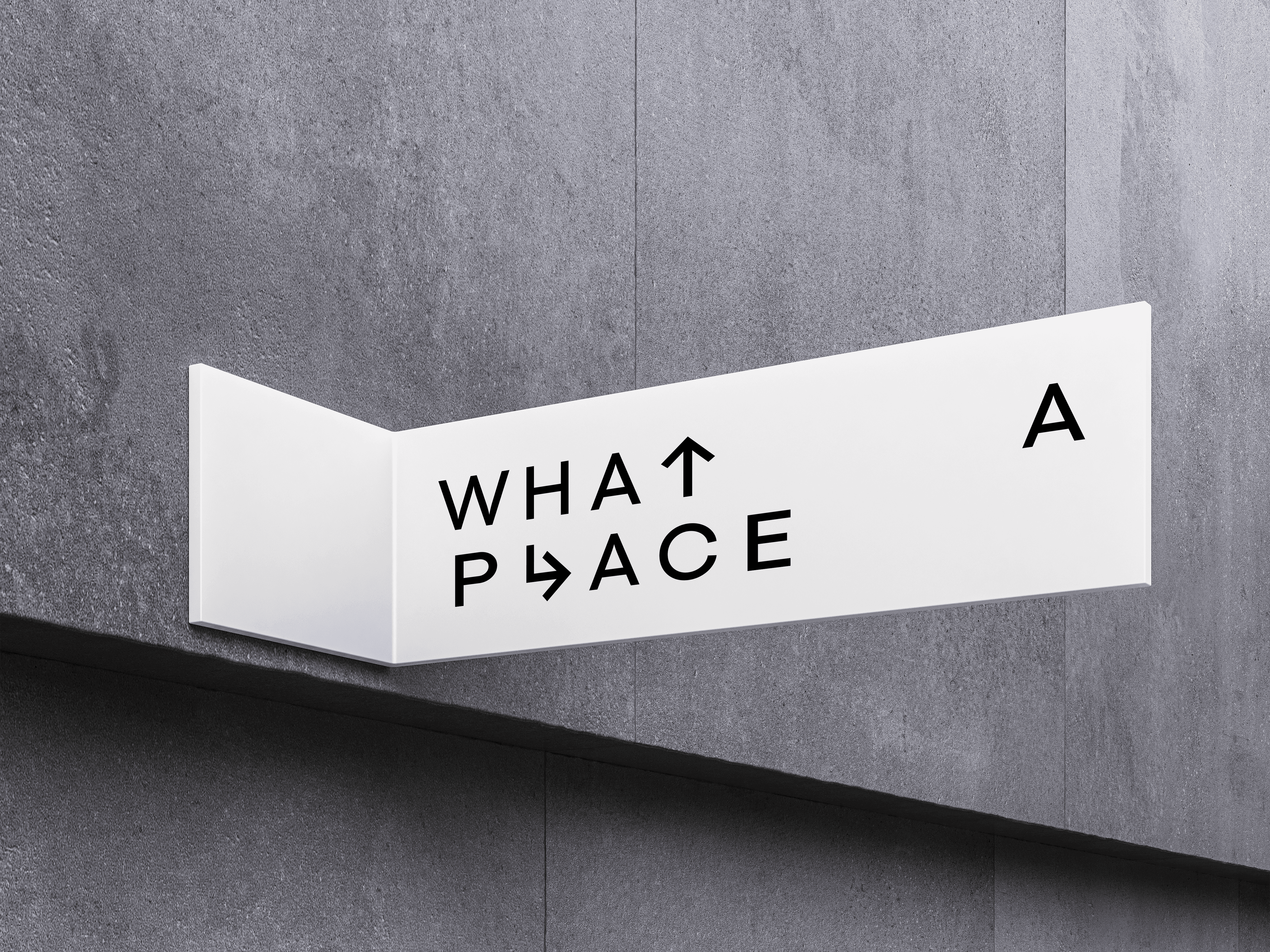
I designed a spaced wordmark and kept the long brand name visually minimal, rather than relying on a symbol.
Why |
Many brands in this category benefit from short names, but I didn’t see the length as something to hide. By carefully adjusting spacing and typography, I was able to reduce visual density and create balance.
Outcome |
Instead of feeling like a limitation, the name becomes a defining feature of the identity.
Brand System
Feature
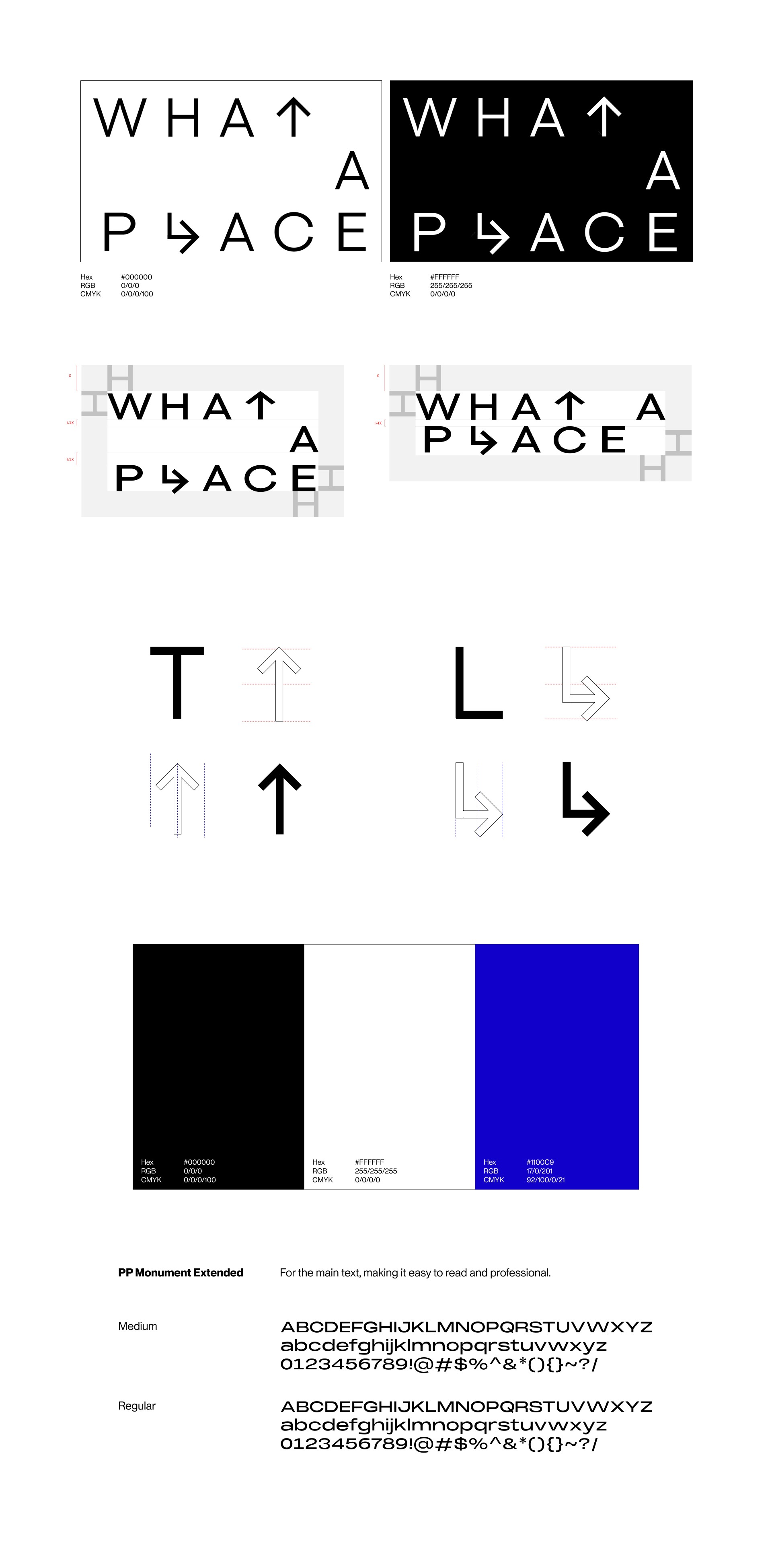
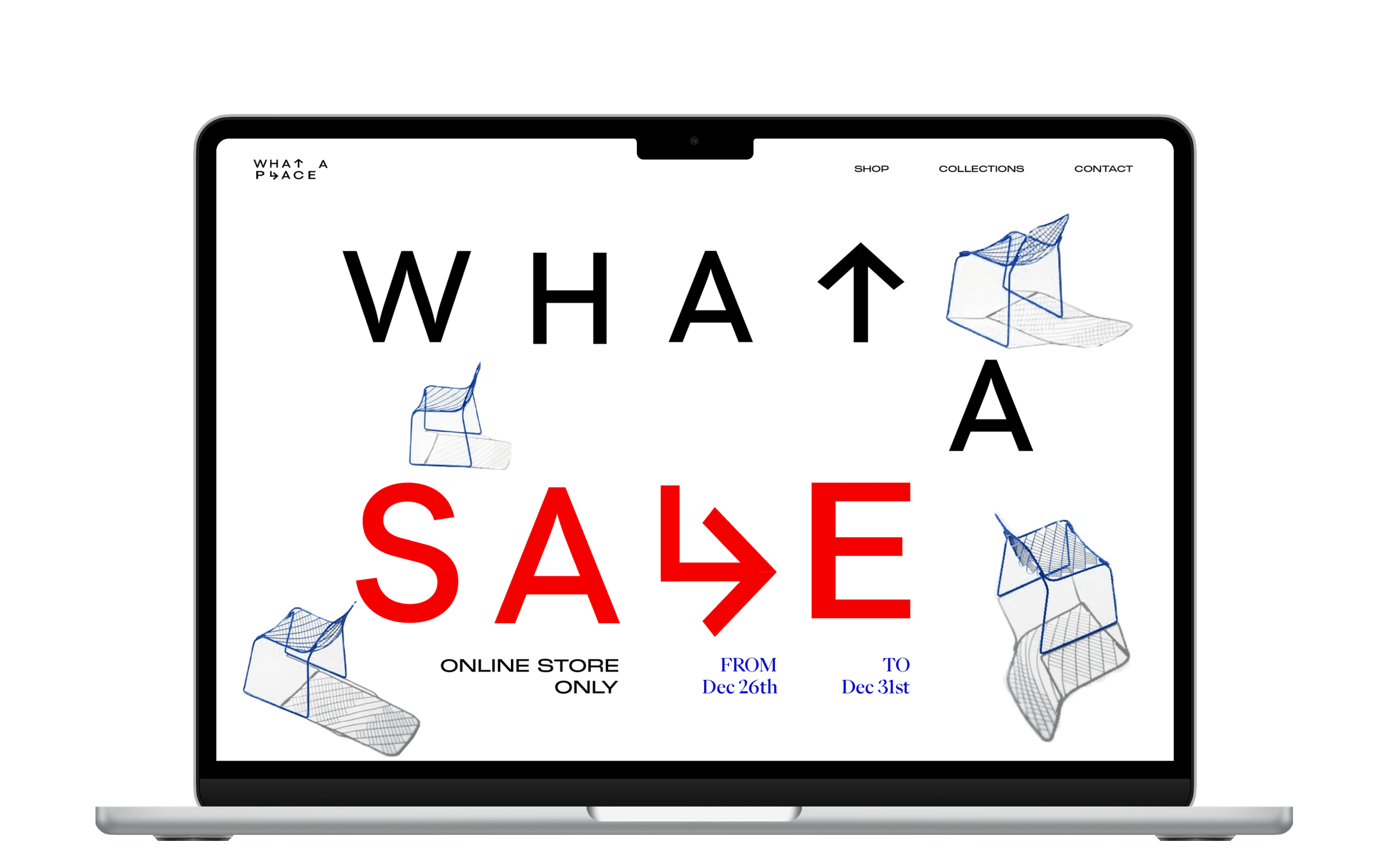
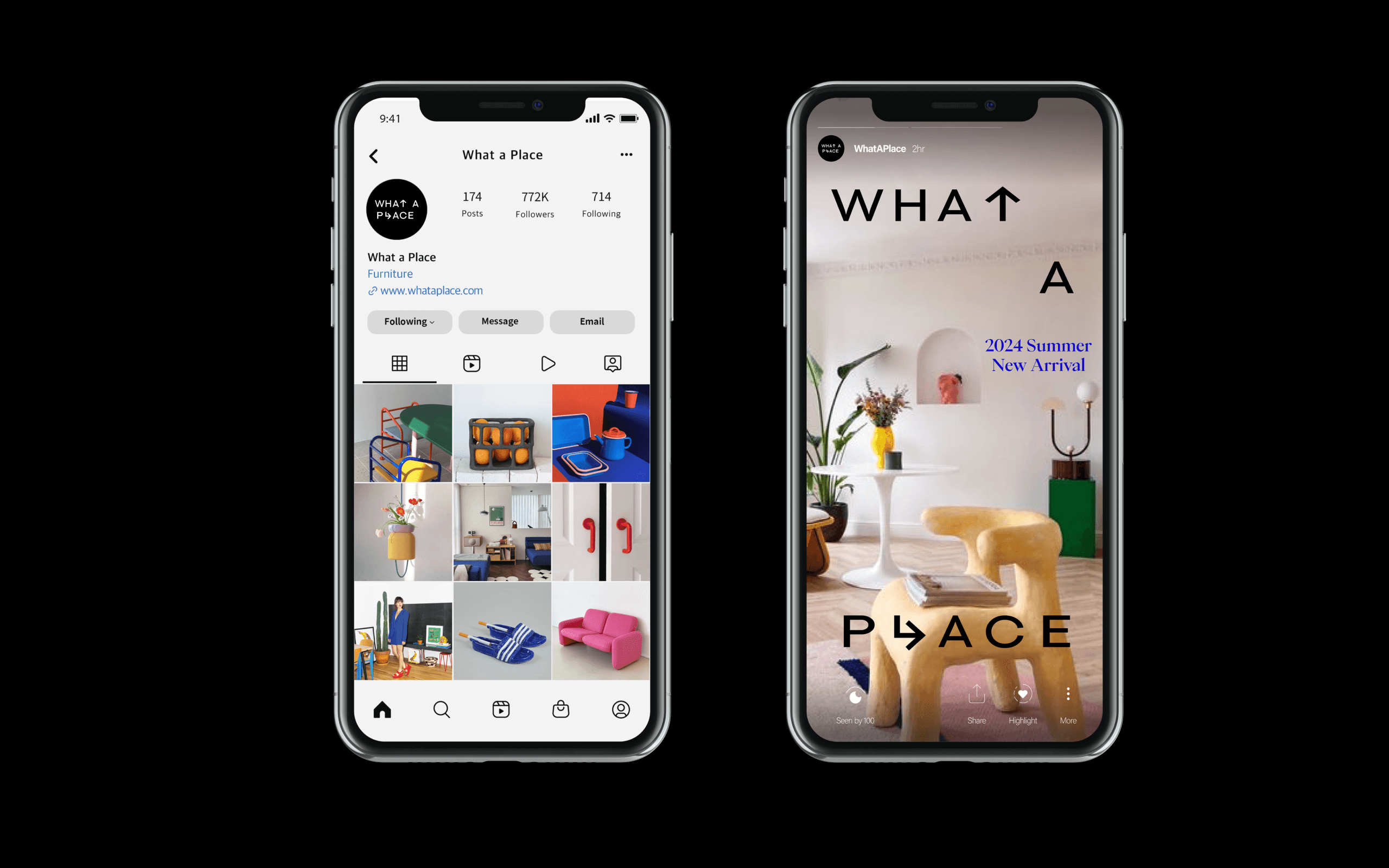
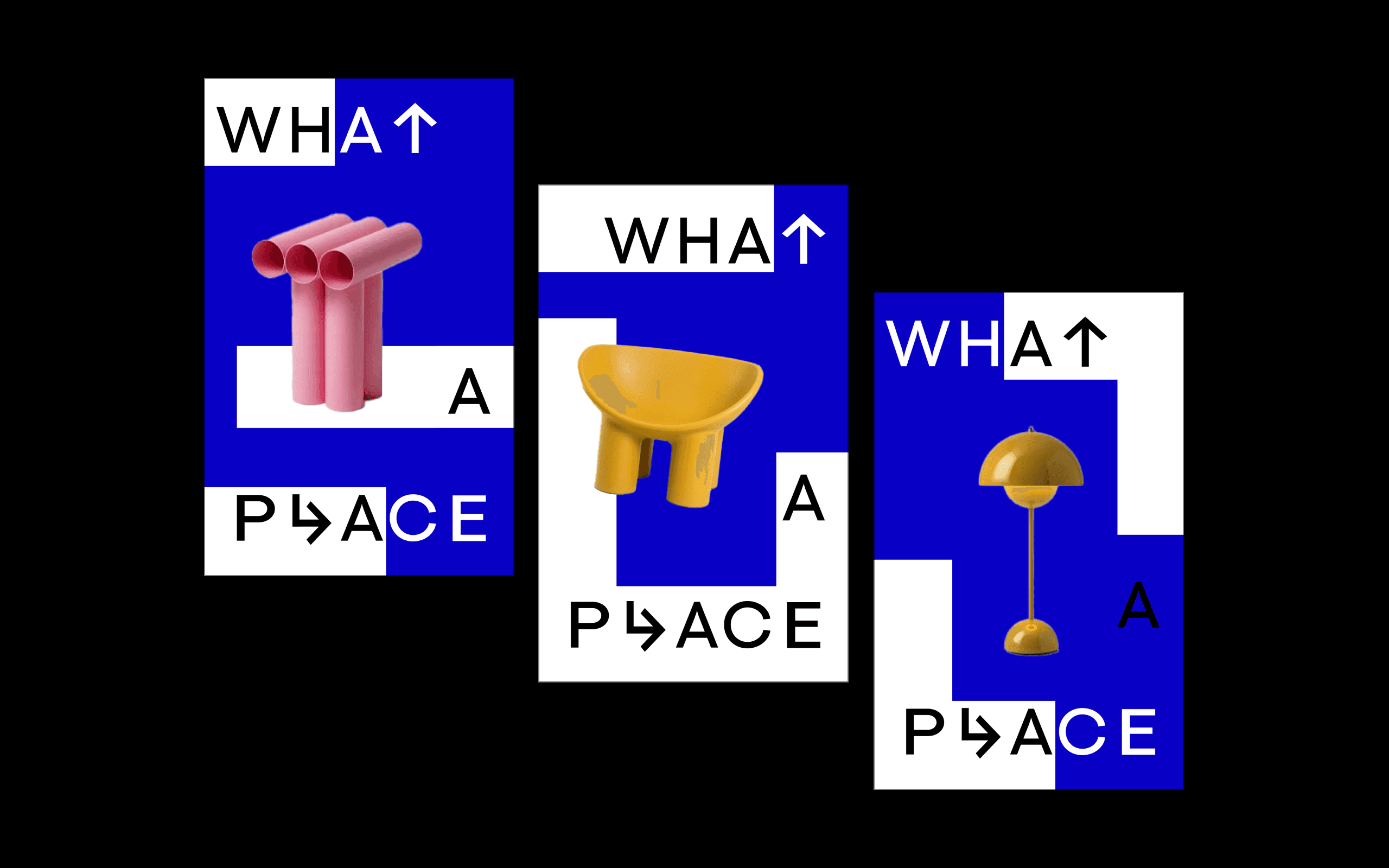
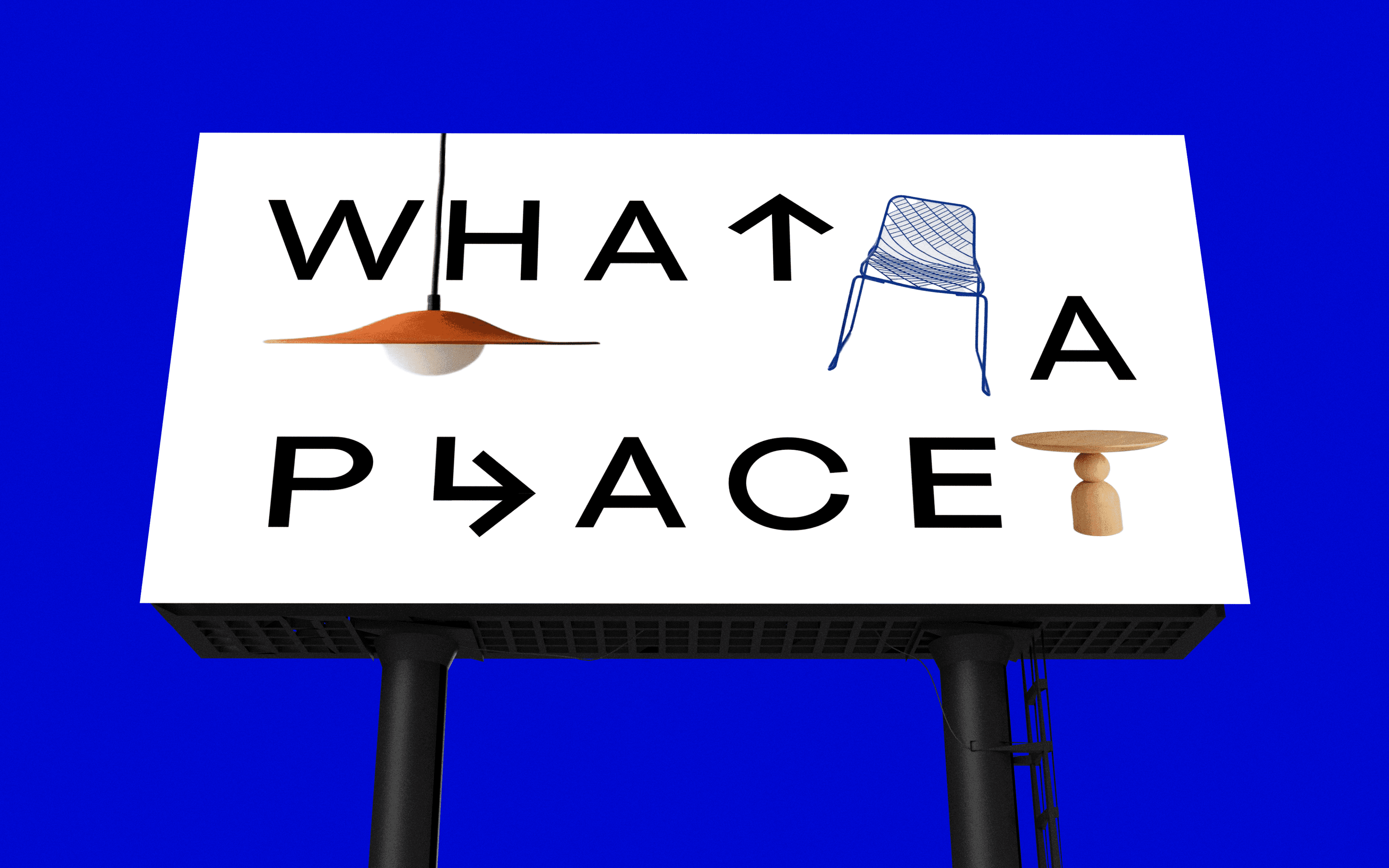
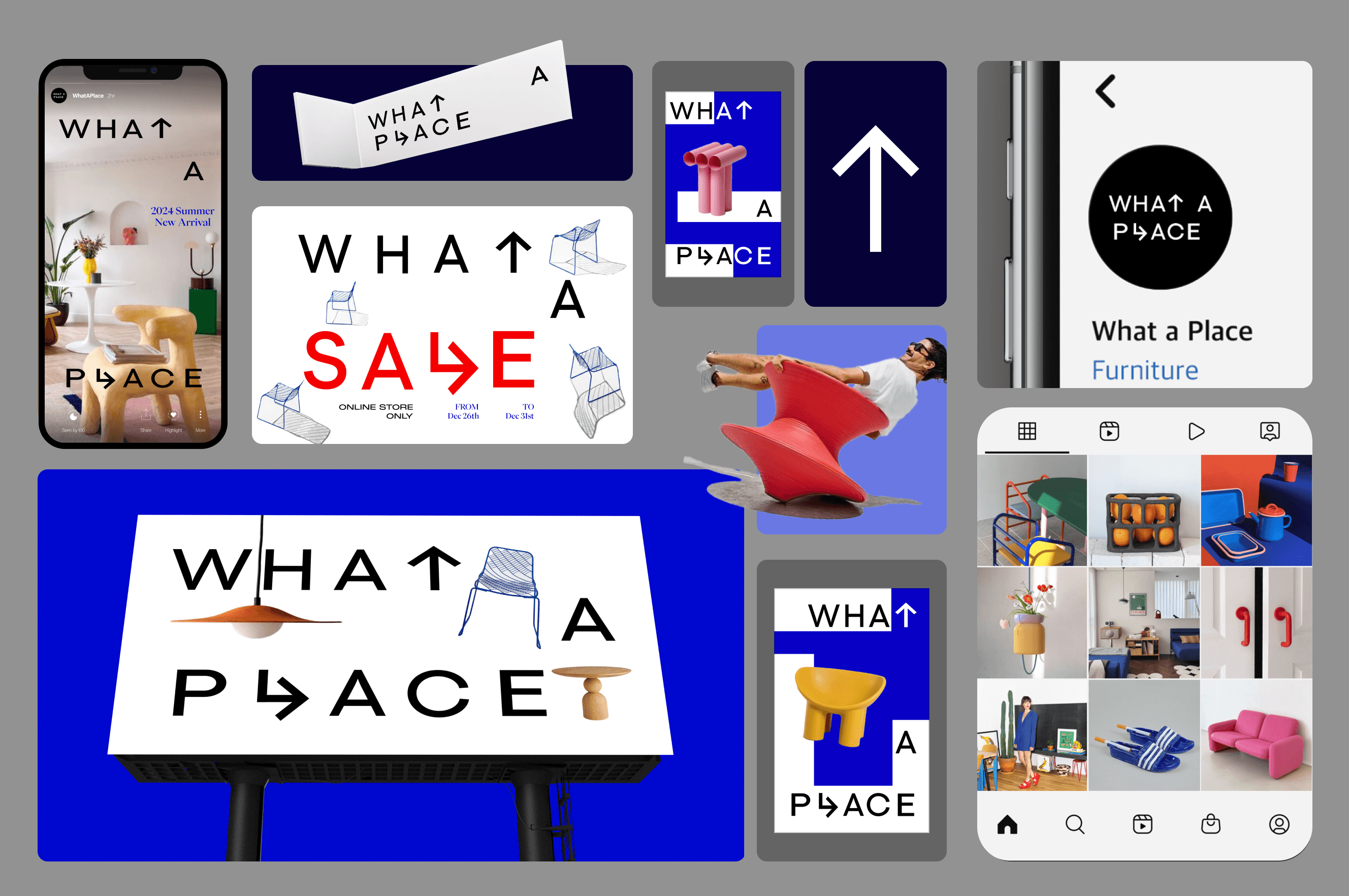
A wordmark-led identity that fully embraces the brand name
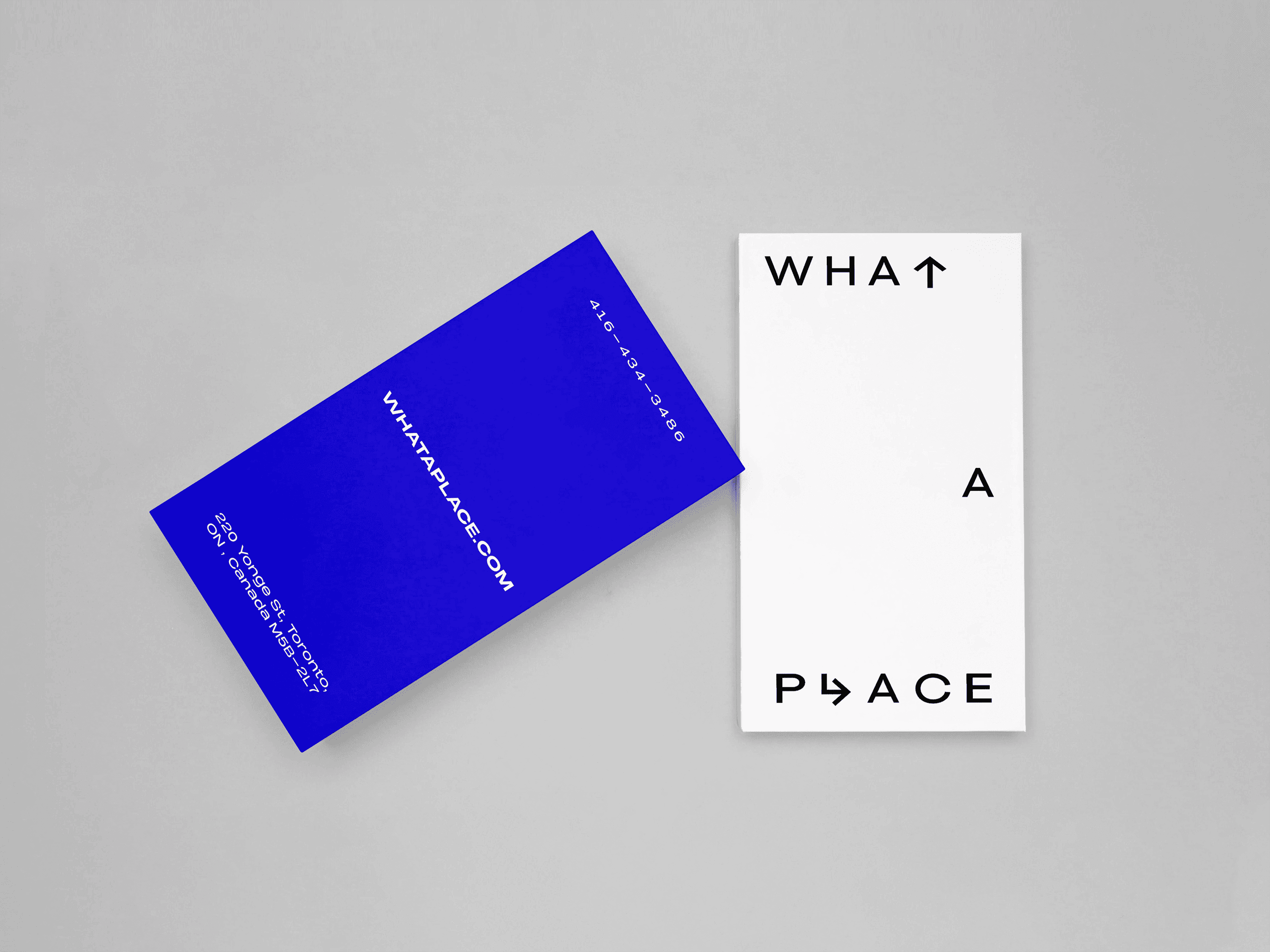
Clean typography paired with intentional, expressive spacing
Minimal layouts that use negative space to create calm and focus
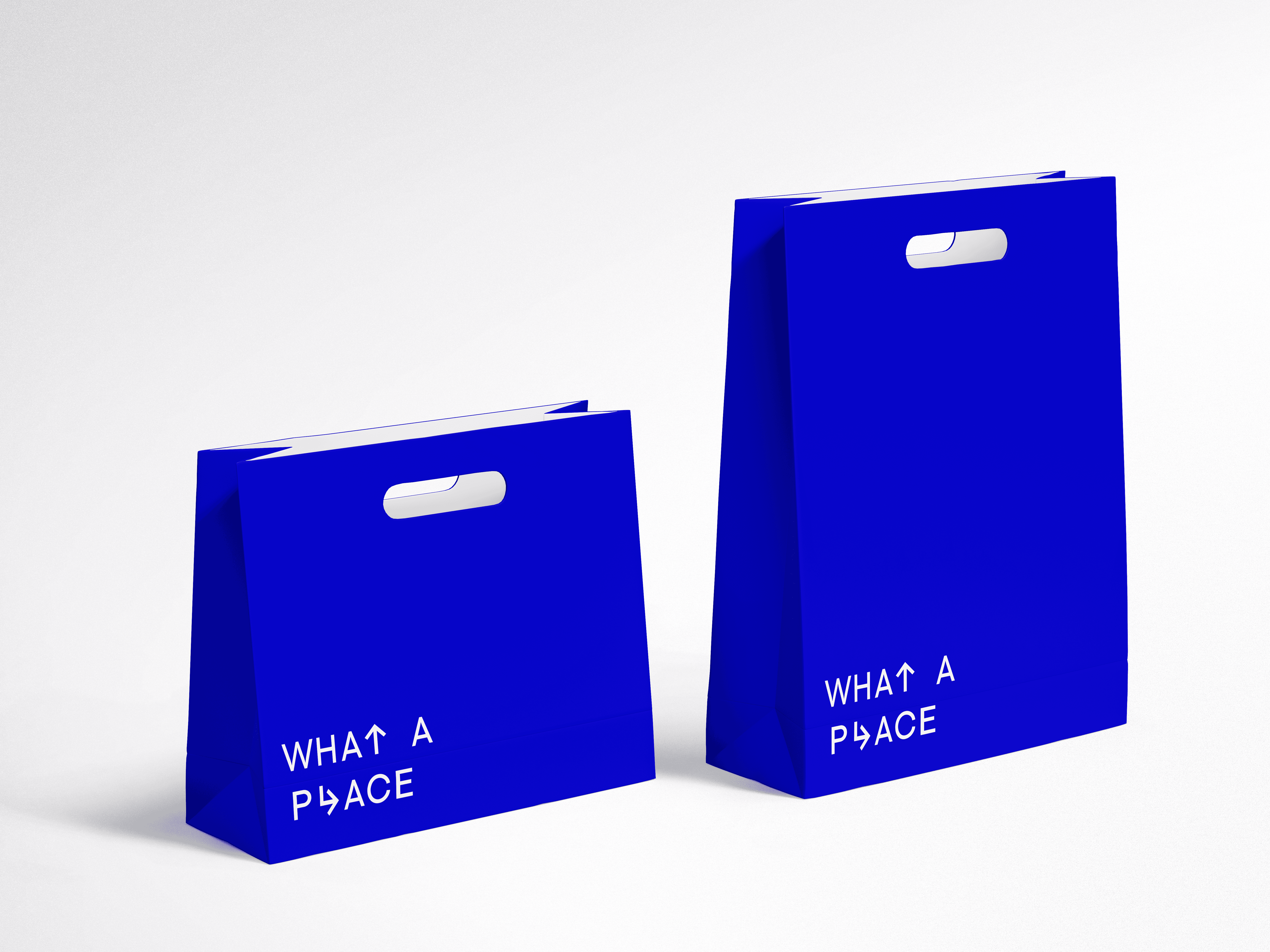
A flexible system designed to adapt across both digital and physical formats
Subtle details that introduce personality while keeping the overall tone refined
Final Solution
|
Reflection
This project strengthened my understanding of how small typographic and layout decisions can shape brand personality. I learned the importance of using space, hierarchy, and restraint to communicate quality, especially when working with unconventional constraints like a longer brand name.
If revisiting the project, I would explore extending the system into motion and digital interactions to further enhance the brand’s expressiveness across online touchpoints.